ABOUT US
Our Story
New Smiles, New Beginnings, Inc. (NSNB) is a Michigan-based 501(c)(3) nonprofit organization established in 2024 to improve access to preventive oral health care for underserved communities in Michigan.
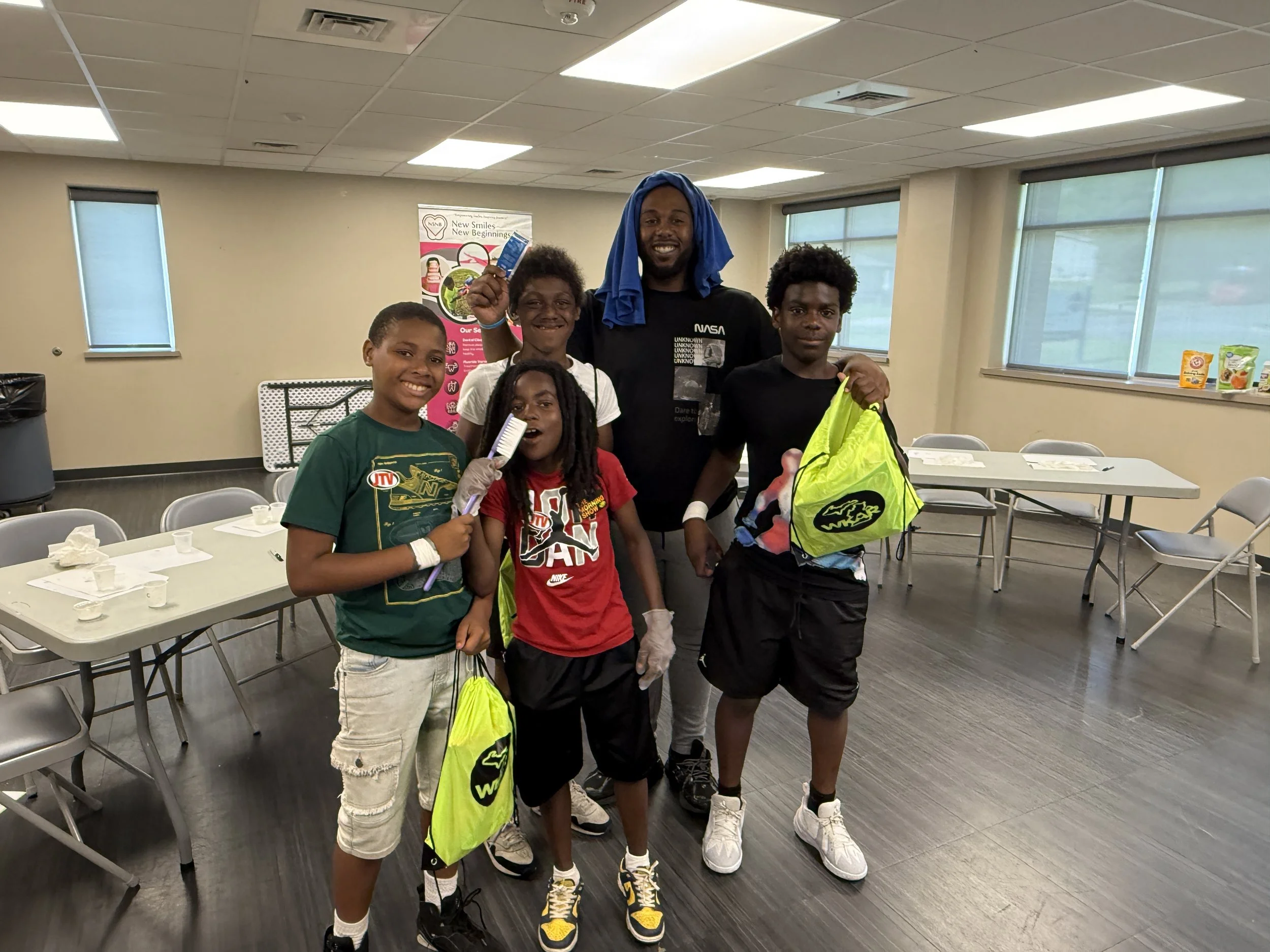
NSNB was created in response to the growing number of children and adults who lack access to basic dental services due to financial barriers, transportation challenges, and provider shortages. Our founder, Jazmyn Ragland, BSDH, RDH, RDA, MPH(c), is a licensed dental hygienist and public-health advocate who recognized that many community members were seeking care only when they were already in pain. NSNB was built to change that pattern by bringing prevention directly into neighborhoods, schools, shelters, and community centers.
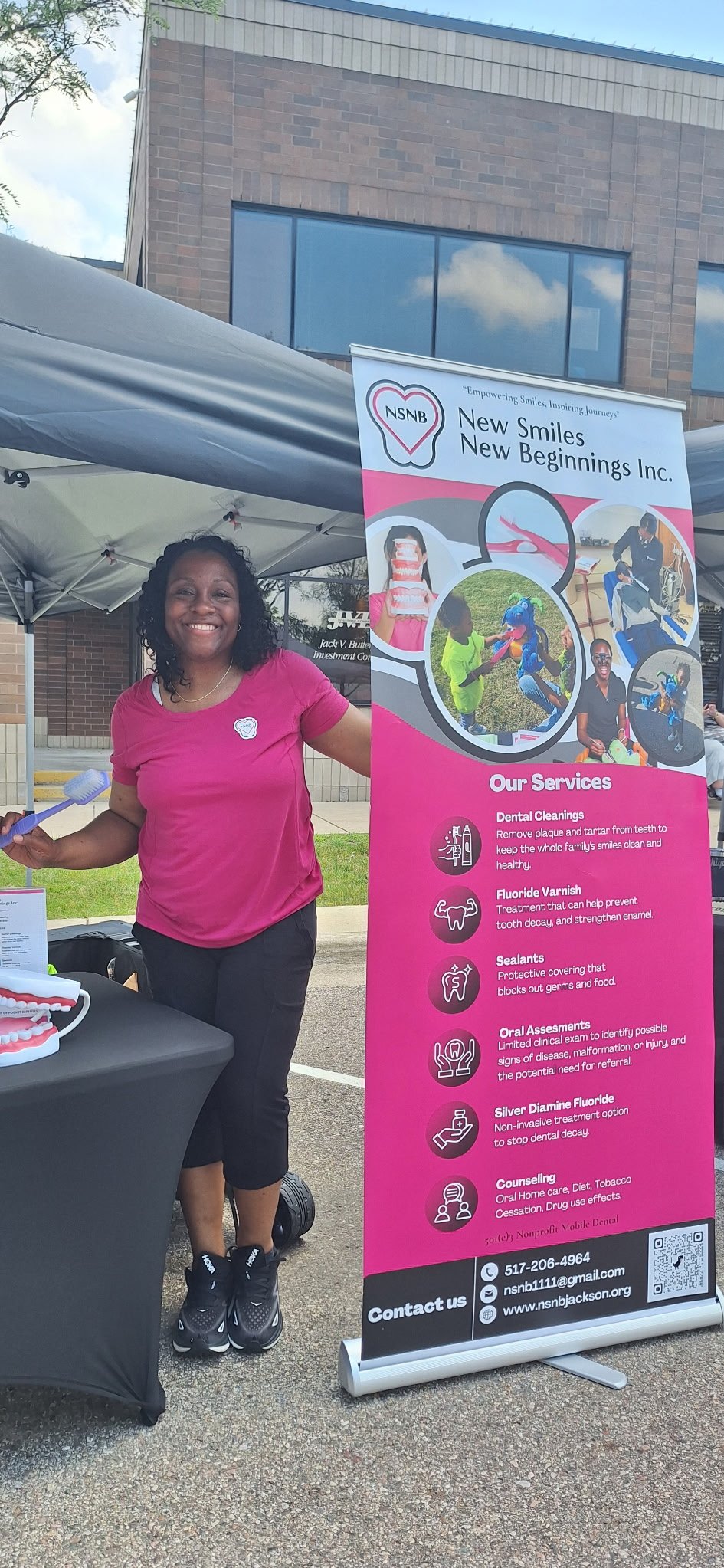
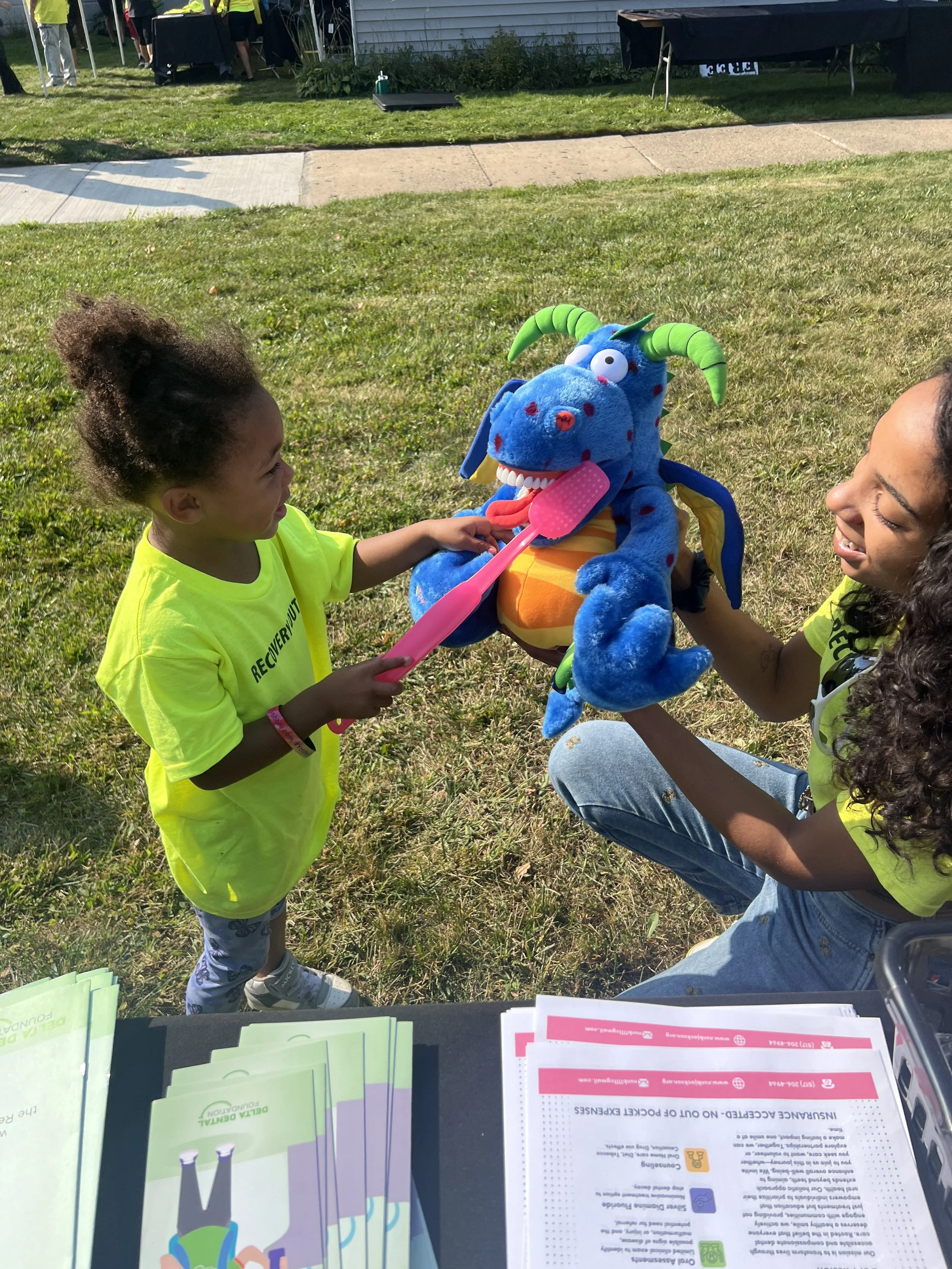
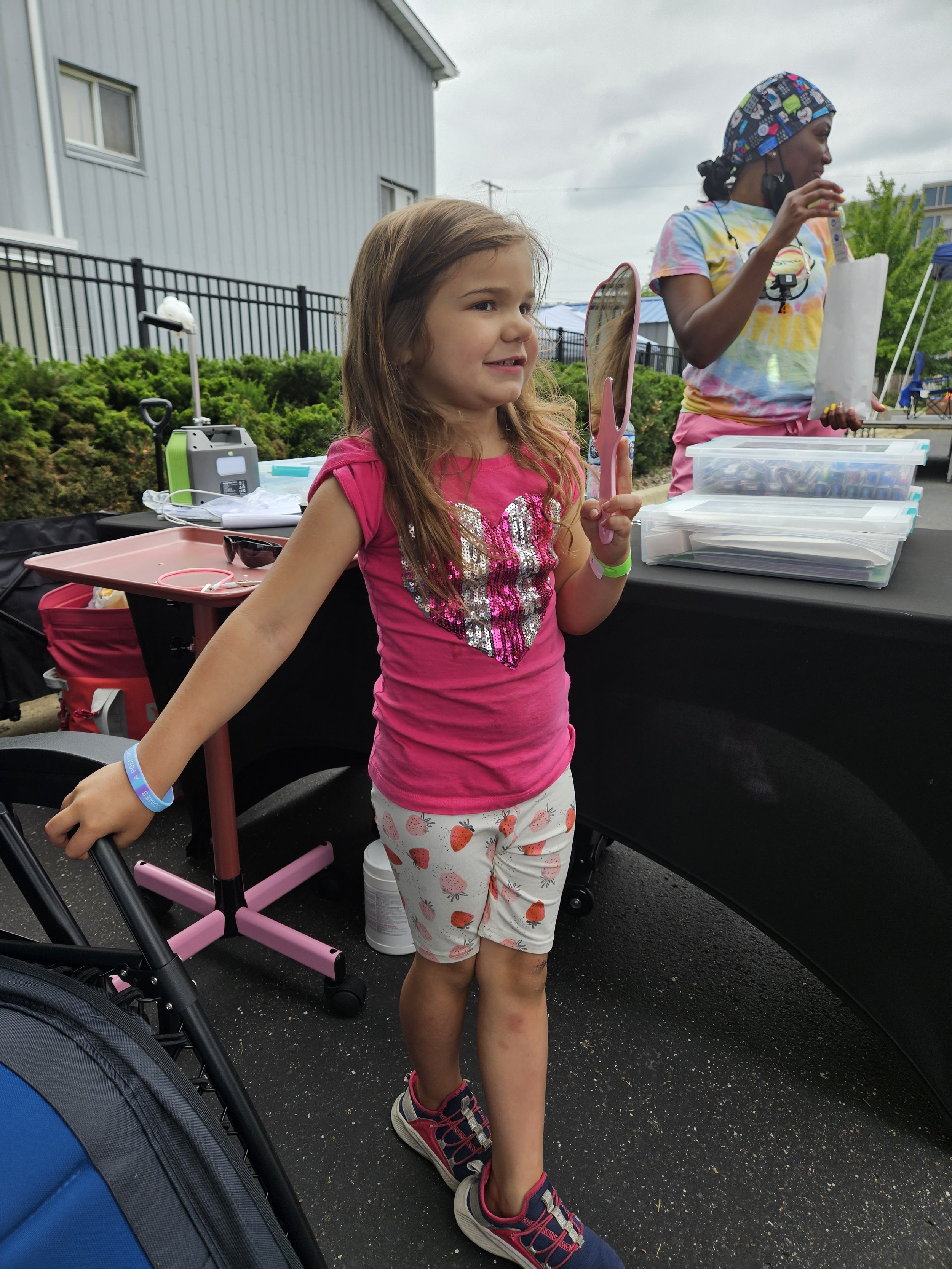
We operate as a PA 161 mobile dental program, which is a Michigan Public Health Dental Hygiene model that allows specially trained registered dental hygienists to provide preventive dental services without a dentist on site in approved community settings. Under PA 161, hygienists can deliver services such as oral health assessments, cleanings, fluoride varnish, sealants, silver diamine fluoride (SDF), and oral-health education to populations that otherwise may not receive care.
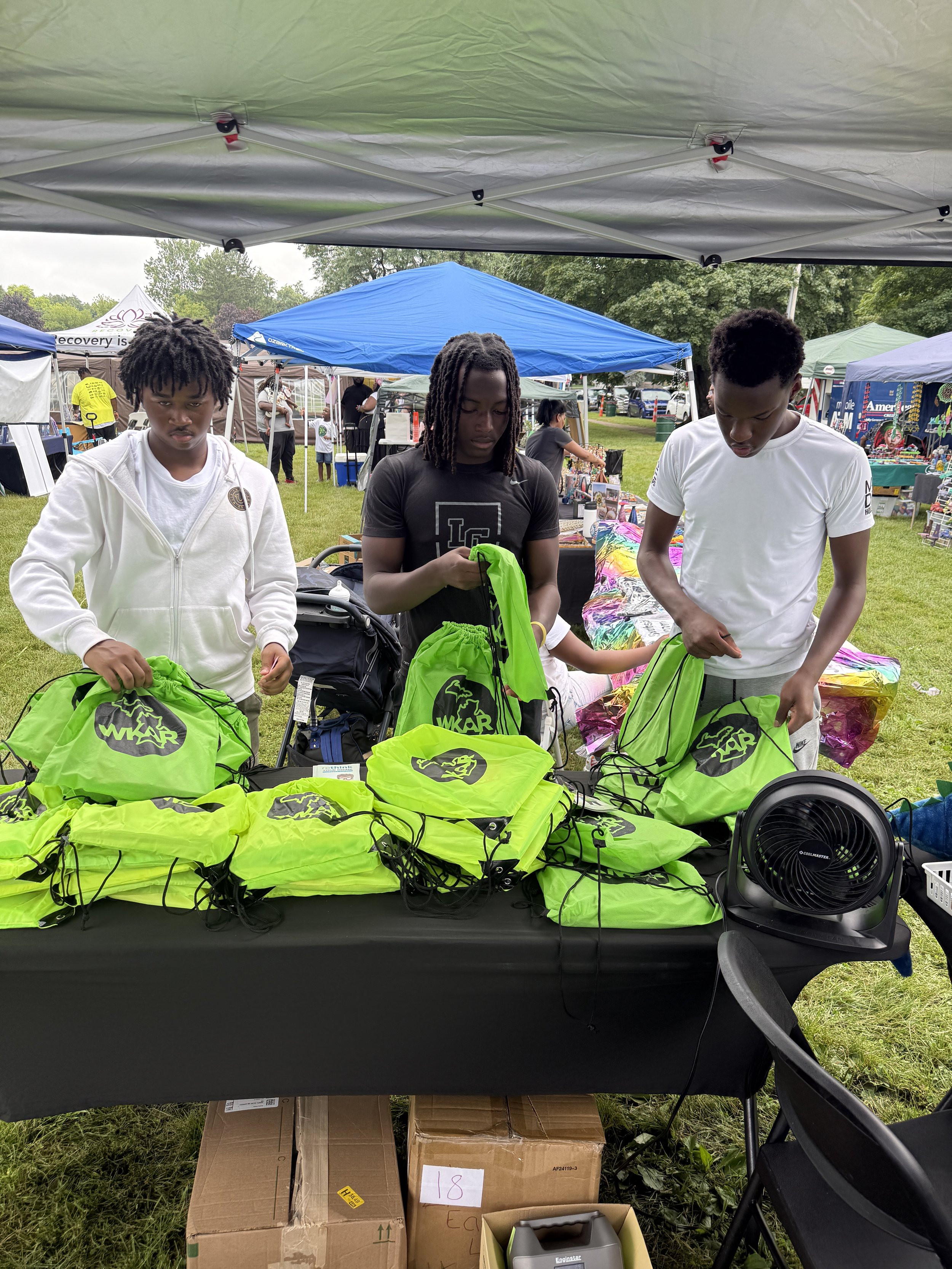
Through this model, NSNB delivers community-based, prevention-focused care where people already live, learn, and receive services. Our mission is to remove barriers to oral health, reduce emergency dental visits, and help every person we serve begin their journey toward better health with a confident smile.
Big Ideas, Real Impact

Oral Health Disparities in Michigan
Oral health is a key part of overall health, yet many people in Michigan face significant barriers to dental care, leading to unequal outcomes across populations.
What the Data Shows
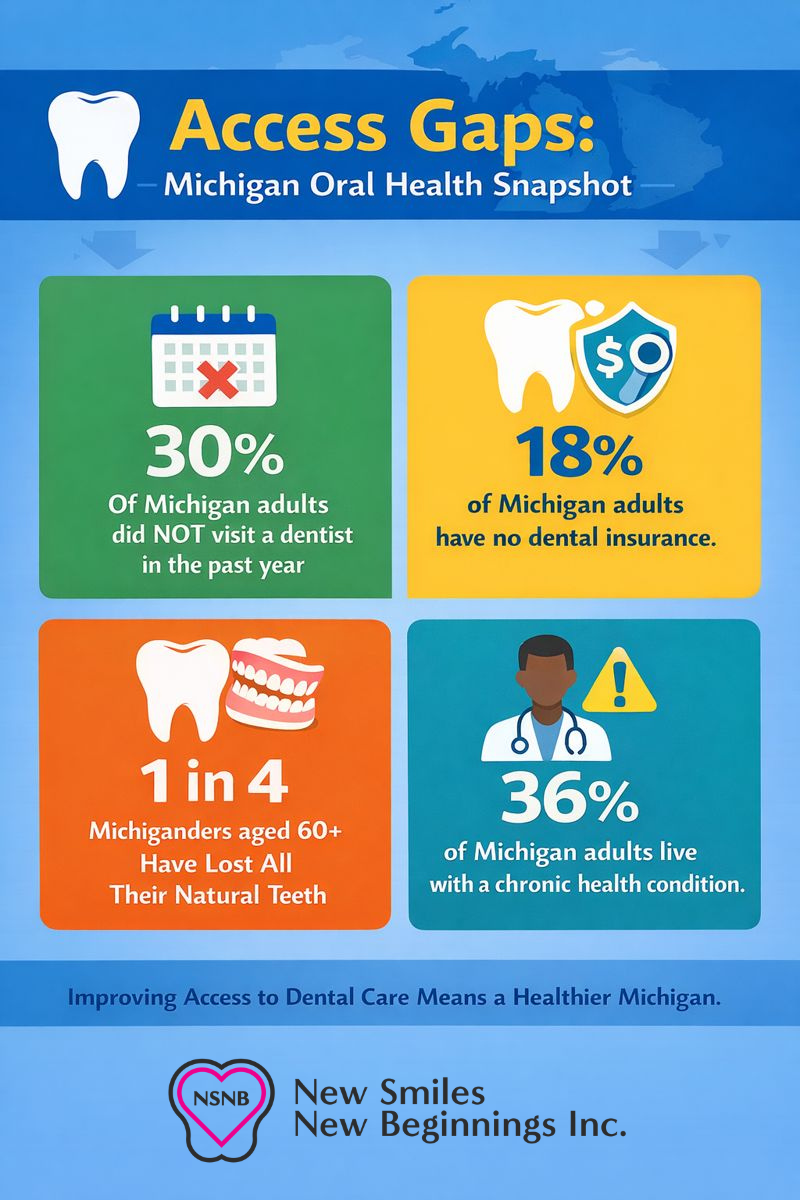
Access to dental care is limited for many Michigan residents. In 2014, about 31% of adults aged 18 and older in Michigan had not visited a dentist in the past year, with disparities seen most strongly among people with lower incomes and those without dental insurance. Michigan.gov
Dental coverage gaps persist. More than one-third of Michigan adults reported having no dental insurance in 2014, with low-income adults being especially likely to lack coverage — more than half of adults earning under $20,000 had no dental insurance. Michigan.gov
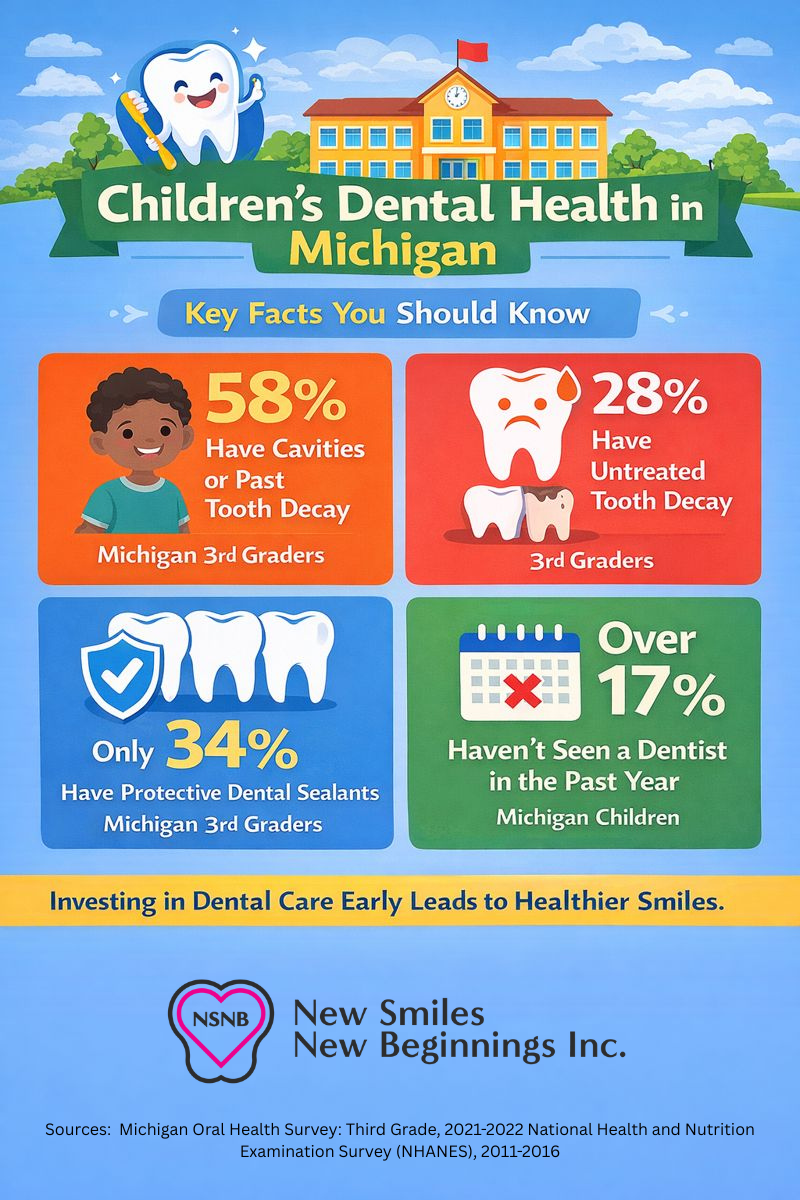
Children are affected too. Tooth decay is the most common chronic childhood disease, and in Michigan, a large share of children suffer from untreated dental disease. Although more recent state data are ongoing, nationally caries prevalence continues to be high among youth — especially for those with barriers to access. ASTDD
Workforce shortages add to disparities. Some areas in Michigan have relatively low rates of dentists available per population, making access difficult for people in rural and underserved communities. Michigan Health Improvement Alliance
These disparities are often linked to social and economic factors such as income, insurance status, geographic location, and education — all of which influence a person’s ability to get preventive care before small issues become serious.
How Oral Health Affects Overall Health
Oral health isn’t isolated to the mouth — it’s closely connected to systemic health:
Cardiovascular disease: Chronic gum inflammation (periodontal disease) is associated with increased risk for heart disease and stroke. CDC
Diabetes: People with diabetes are at higher risk for periodontal disease, and untreated gum disease can make blood sugar harder to control. Michigan health authorities monitor both conditions together due to their interaction. Michigan.gov
Nutrition and quality of life: Tooth pain, decay, and missing teeth can make eating healthy foods difficult, contributing to poor nutrition and chronic disease progression. ASTDD
These links demonstrate that poor oral health can both reflect and contribute to other chronic health conditions, making preventive dental care an essential part of public health.
Why This Matters
When people delay or cannot access dental care, oral diseases go untreated and can worsen into systemic problems that affect overall health, productivity, and quality of life. Helping communities overcome barriers to care — especially in underserved populations — not only improves smiles, but it also supports healthier bodies and stronger lives.